What is convenience costing you?
Why midlife women need to move more for healthy aging

Are we getting lazy? Or just too busy to notice?
In a world where your groceries arrive at your doorstep, your car boot opens with a wave of your foot, and you can order dinner without standing up, it’s worth asking: Is all this convenience actually costing us our health?
If you’re a midlife woman juggling work, family, ageing parents, and never-ending to-do lists, I get it. Time is short, and energy is precious. But here’s the hard truth—the less we move now, the harder life gets later.
The Lazy Side of Progress
Let me be clear—tech innovations can be life-changing for those with injuries or mobility issues. But for the rest of us? These gadgets and services are slowly replacing our need to move.
And that’s a problem.
Because movement is medicine. And not just for now—but for your future self.
Use It or Lose It: Movement and Healthy Ageing
Our bodies are meant to move. When we don’t stretch, bend, push, pull or lift regularly, we lose strength and flexibility. That might not seem like a big deal—until you’re struggling to get out of a chair or pick up your grandchild.
Women are living longer, but not necessarily better. On average, we spend up to 11 years in poor health at the end of life—years affected by muscle loss, bone thinning, fatigue, and chronic illness.
That’s why daily movement is non-negotiable. Especially if you want to stay strong, independent, and mobile well into your later years.
“Exercise 5 Times a Week?” YES.
When a client told me her GP recommended exercising 4–5 times a week, the look on another client’s face was sheer horror.
But here’s the thing: we’re not exercising as much as we should because life has become too “easy.” The less we move, the more deliberate we need to be about moving our bodies.
Government guidelines suggest:
- 150 minutes of moderate intensity or 75 min high intensity cardio each week (that’s about 23 minutes a day)
- Strength training 2–3 times a week
- Balance and stretching to reduce injury and fall risk
If you’re gasping, thinking “I don’t have time for that”, remember: you don’t need to go to a gym or wear lycra.
Vacuuming counts. Dancing in the kitchen counts. Squats while supervising homework? Perfect.
Small Habits, Big Impact
Start where you are. Healthy ageing isn’t about grand gestures, it’s about consistency. Create mini habits that fit into your day:
- Walk while on a phone call
- Push-ups on the kitchen bench while the kettle boils
- Do five squats every time you go to the loo
- Stretch during Netflix
Every bit of movement is a vote for your future self.
And if you’re waiting for motivation?
Don’t. Motivation is unreliable – it can get you started and ditch you at the first obstacle.
Discipline and habits are your real allies.
Health Span vs Lifespan: What Matters Most
Here’s the big picture: It’s not just about living longer, it’s about living well for longer.
That means:
- Strong muscles to prevent falls
- Good balance and mobility
- Cardiovascular health – heart health is the second biggest killer of women post menopause
- Independence and confidence
- Enjoying travel, hobbies, and grandchildren, not watching from the sidelines
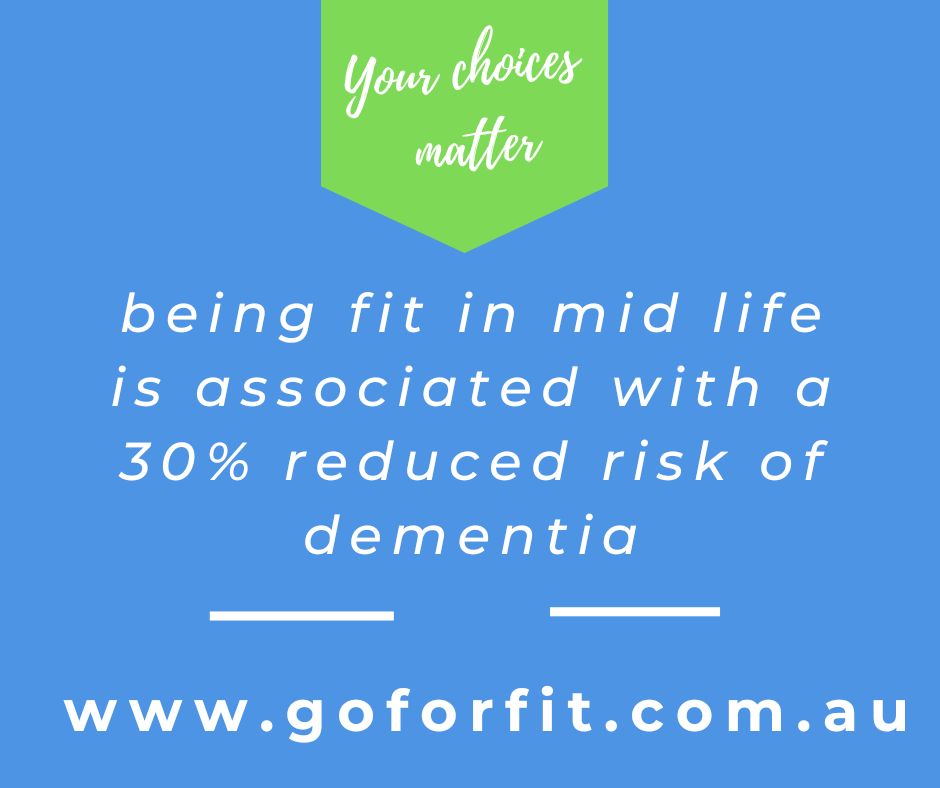
The habits you build now are your insurance policy for a vibrant future.
So, what will YOU do today?
No guilt. No shame. Just a nudge.
Pick one thing, just one, and start. Because your body will thank you in 10, 20, 30 years.
🚶♀️ Take a walk at lunch
🏋️♀️ Book a strength class
🧘♀️ Stretch while the pasta’s boiling
💬 Tell a friend you’re starting (accountability helps)
Live near Sydney’s upper north shore? Join me!
I run barre, Pilates, and outdoor fitness classes for midlife women. We work hard, laugh harder, and support each other through all the seasons of life.
Come try a class. Your future self will be so glad you did.
Click here to get your $7 for 7 days trial week